
Travel advice: visit cemeteries
10 February 2026
I think cemeteries are one of the most underrated things to visit when travelling.
I started visiting them by accident. I was in Athens, trying to outsmart Google Maps after it served me a long looping route around Athens First Cemetery, which I assumed I’d be able to cut through. I walked in trying to save five minutes, and ended up staying a couple hours.
The entrance opens into this wide space of white marble, lined with mausolea — these grand house-like tombs, some with delicate sculptures carved into them. The further I walked in, the more beautiful it became. Quietness became its own sound, accented by birdsong. Incredible trees with long purple flowers draping down over the paths. And everywhere these sculptures, the common motif a person at rest, carved in marble so fine it looks soft.
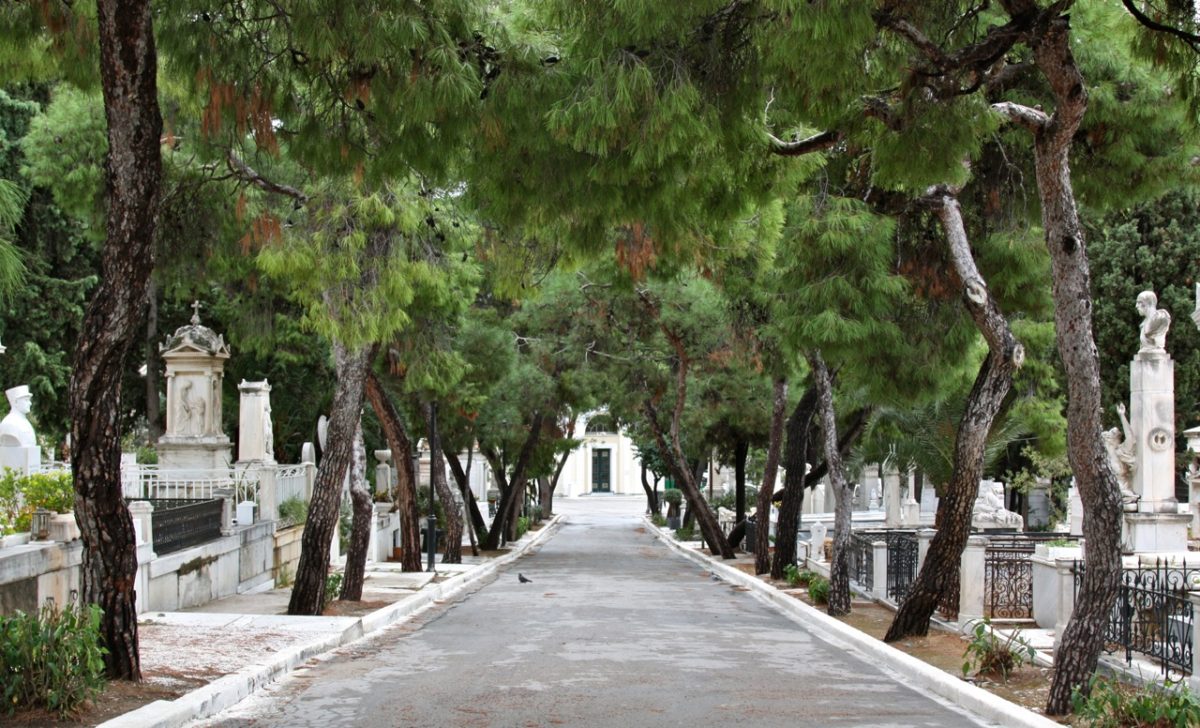
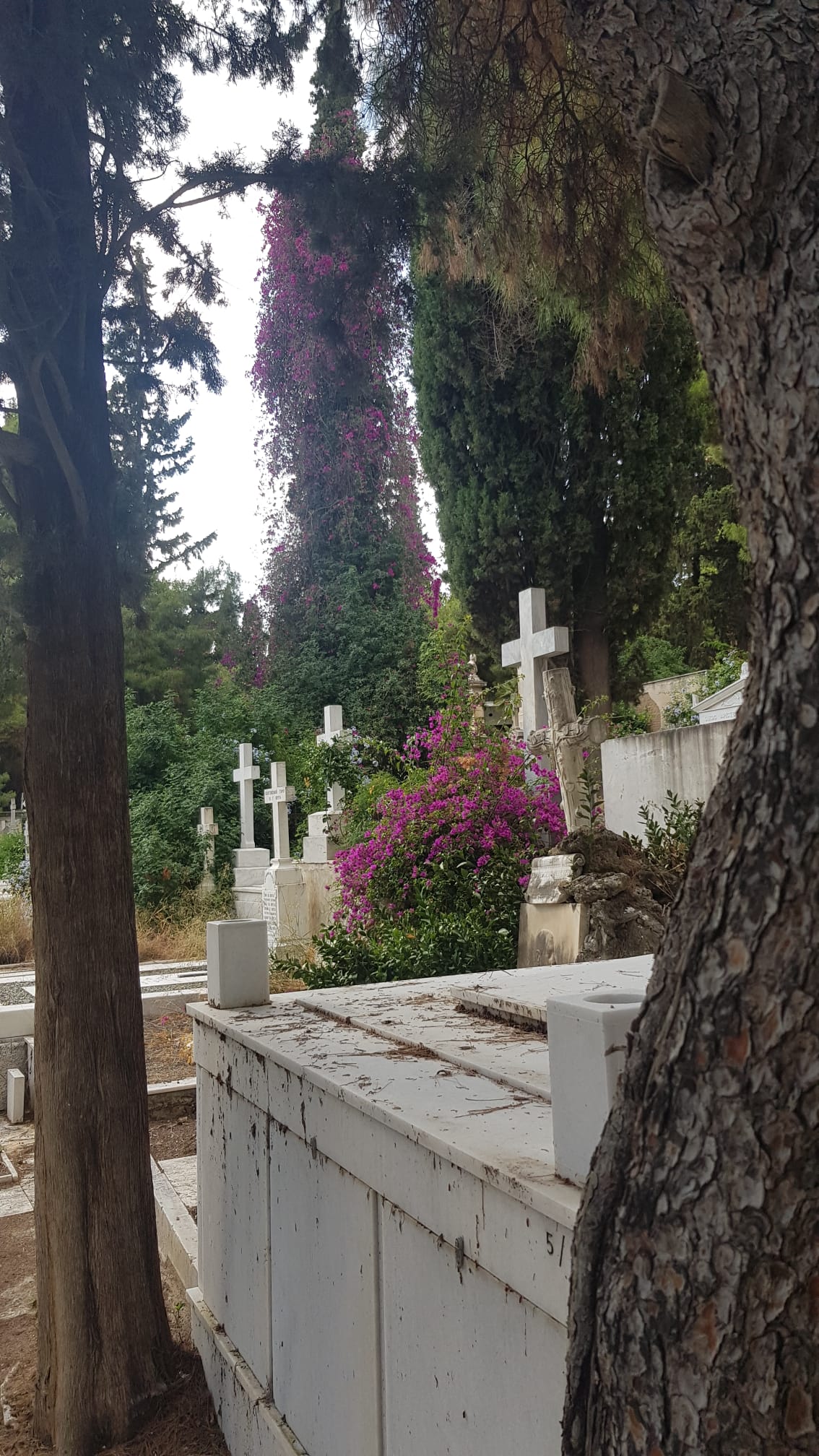
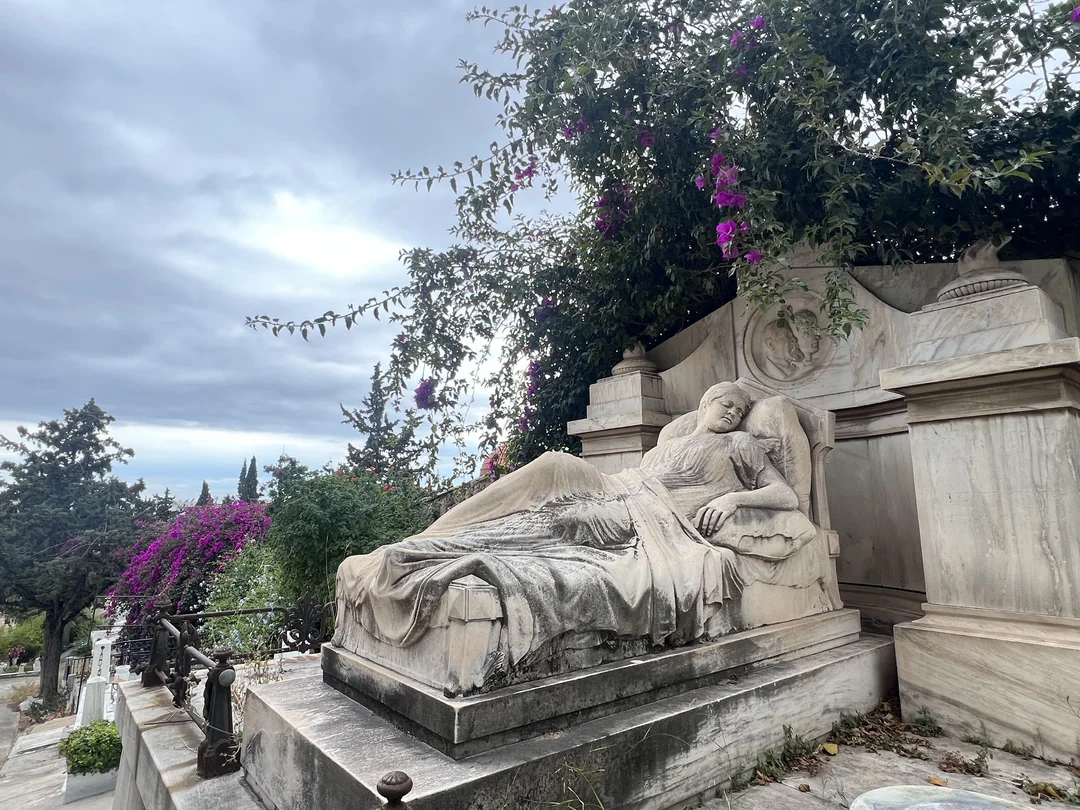
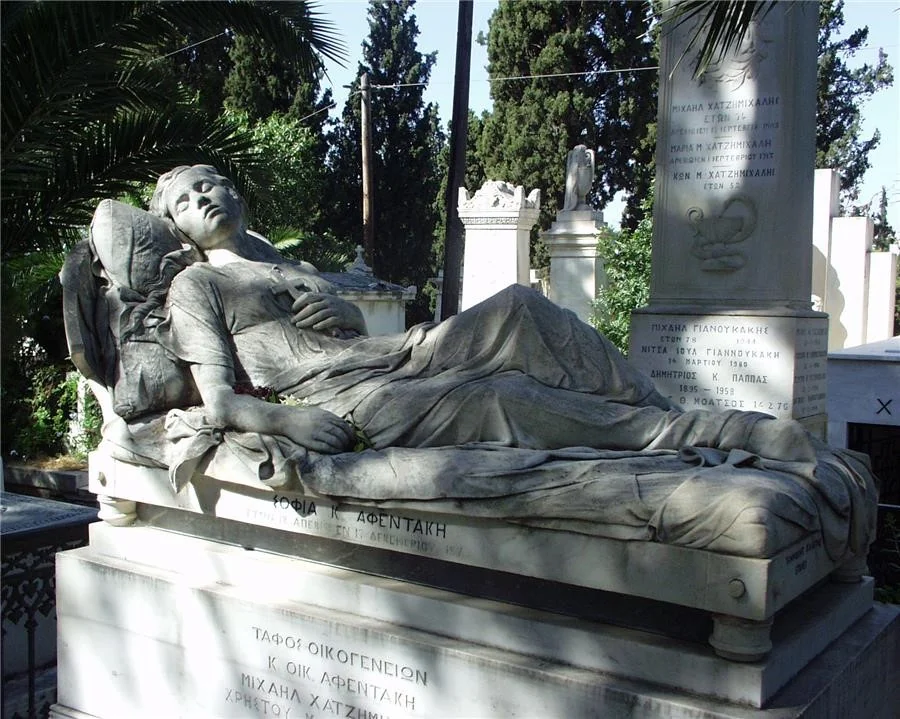
Athens First Cemetery
It was a wonderful time and since then, I’ve made a habit of visiting cemeteries in new cities. They’re almost always beautiful, serene places; and it’s quite interesting to see how different countries rest their dead.
The Woodland Cemetery in Stockholm, Skogskyrkogården, is a UNESCO World Heritage site. Stockholm itself is a place where nature and modern life coexist so wonderfully. This is doubly true within its cemetery, where nature comes first. The untouched Nordic forest on the site remains the dominant experience. Footpaths meander freely through a forest, looking to either side you see simple graves laid freely among the pine straw on the floor, almost as if they grew there too, most frequently placed informally, not symmetrically or parallel among one another.
Then there’s Venice’s San Michele Cemetery. In spite of Venice’s constrained land, they devoted a whole island to resting the dead, just off the main island. Admittedly from the outside it looks like it could be a low-security prison with high walls on all sides, but once you’re through, you realise it’s an utterly beautiful sanctuary.
Whereas Stockholm feels grown from nature, San Michele feels deliberately crafted. As you arrive from the water bus, you can walk left to explore the old monastery, or right to see the cemetery, which is separated into sections: Catholic, Protestant, and Orthodox Greek. There’s quite a clear hierarchy to the graves — a wealthy section housing family mausolea, old and new, each with their own architecture, and then the tightly packed Protestant section where the tombstones are essentially identical except for each one’s unique inscription and the real or plastic flowers left behind. The overall feeling though is that of beauty, across the island everything is intentional and cared for. So beautiful that it inspired Arnold Bocklin’s Isle of the Dead, which in turn inspired Rachmaninoff’s symphonic poem of the same name.
Every place does it differently. In rural Japan, a handful of simple stone plinths on a hillside serving a single village. In Edinburgh, old graveyards scattered through the old town. You can’t always articulate what’s different, but you feel it.
Modern life is unusually good at letting us forget about death. Most of us are lucky enough to live lives where it stays abstract — something that happens somewhere else, or later, or to someone older. Thank you progress!
But it can be grounding to be reminded every now and then. Ernest Becker wrote about how much of civilisation is built around avoiding mortality altogether. And Tolstoy shows how deeply uncomfortable we are acknowledging death even when it’s unavoidable.
A cemetery doesn’t force anything on you. It’s just a quiet walk, some beautiful surroundings, and a gentle reminder that you won’t be here forever — which is as good a reason as any to enjoy the afternoon.
A little memento mori every now and then is good for the soul.
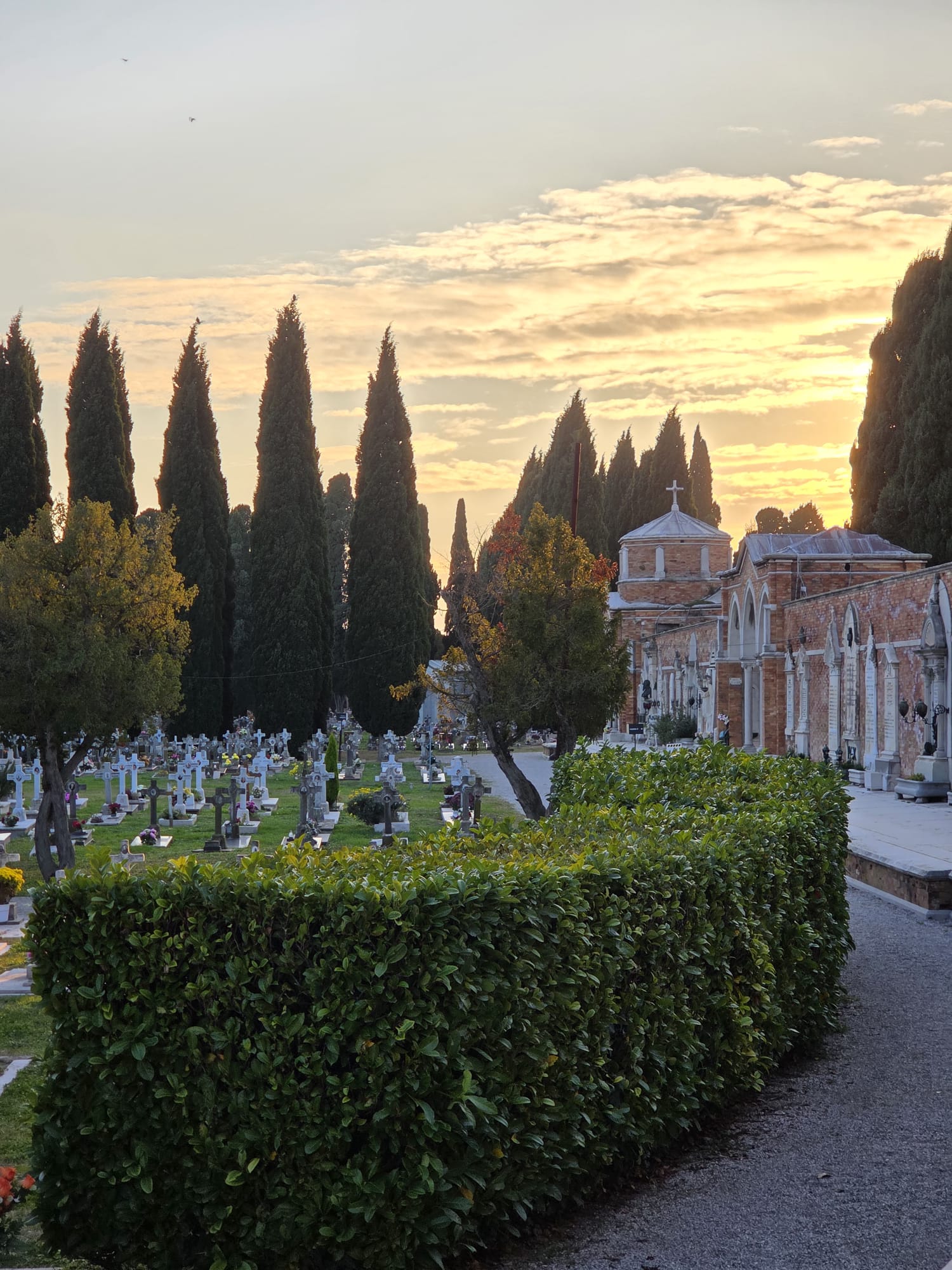
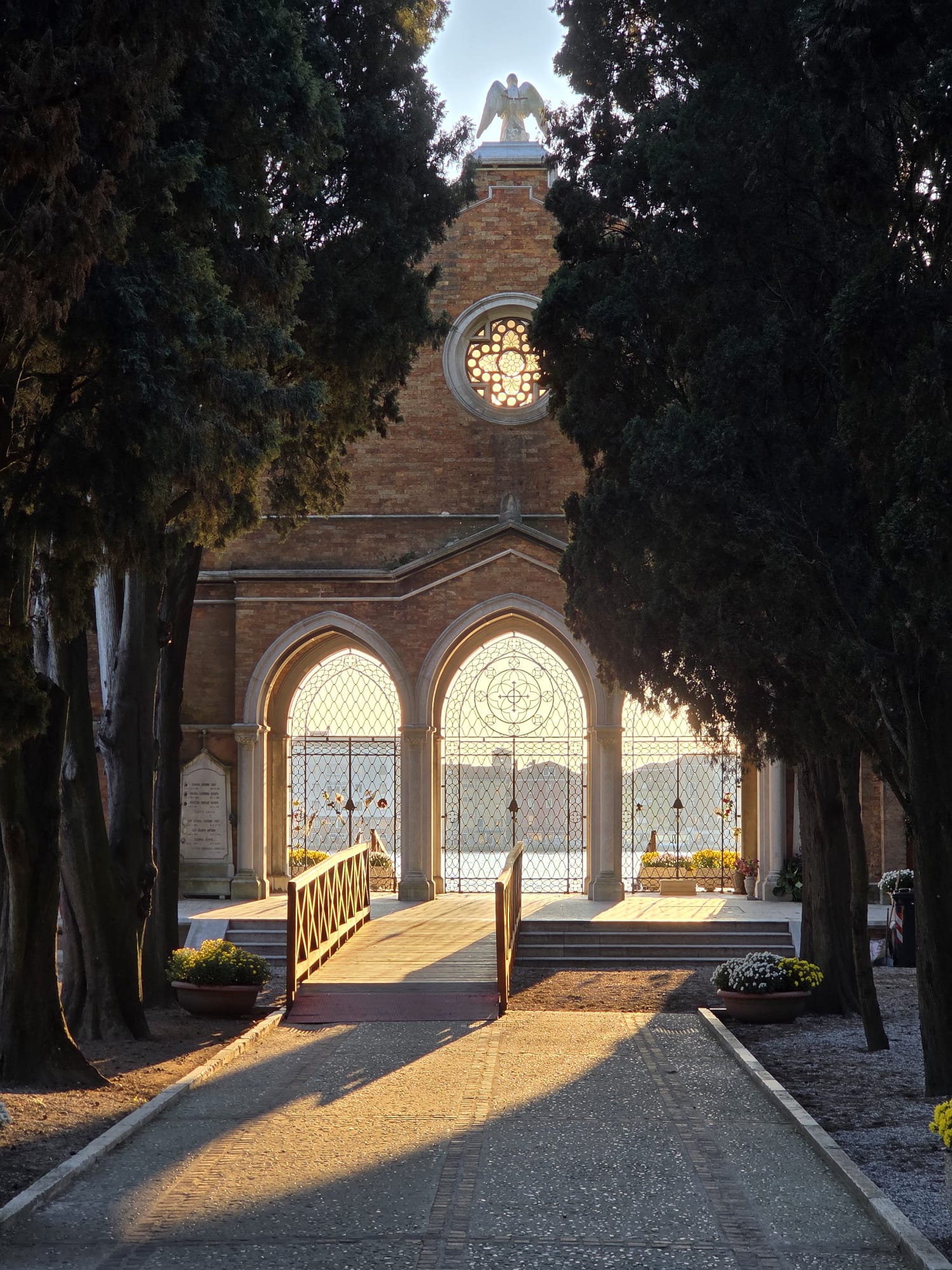
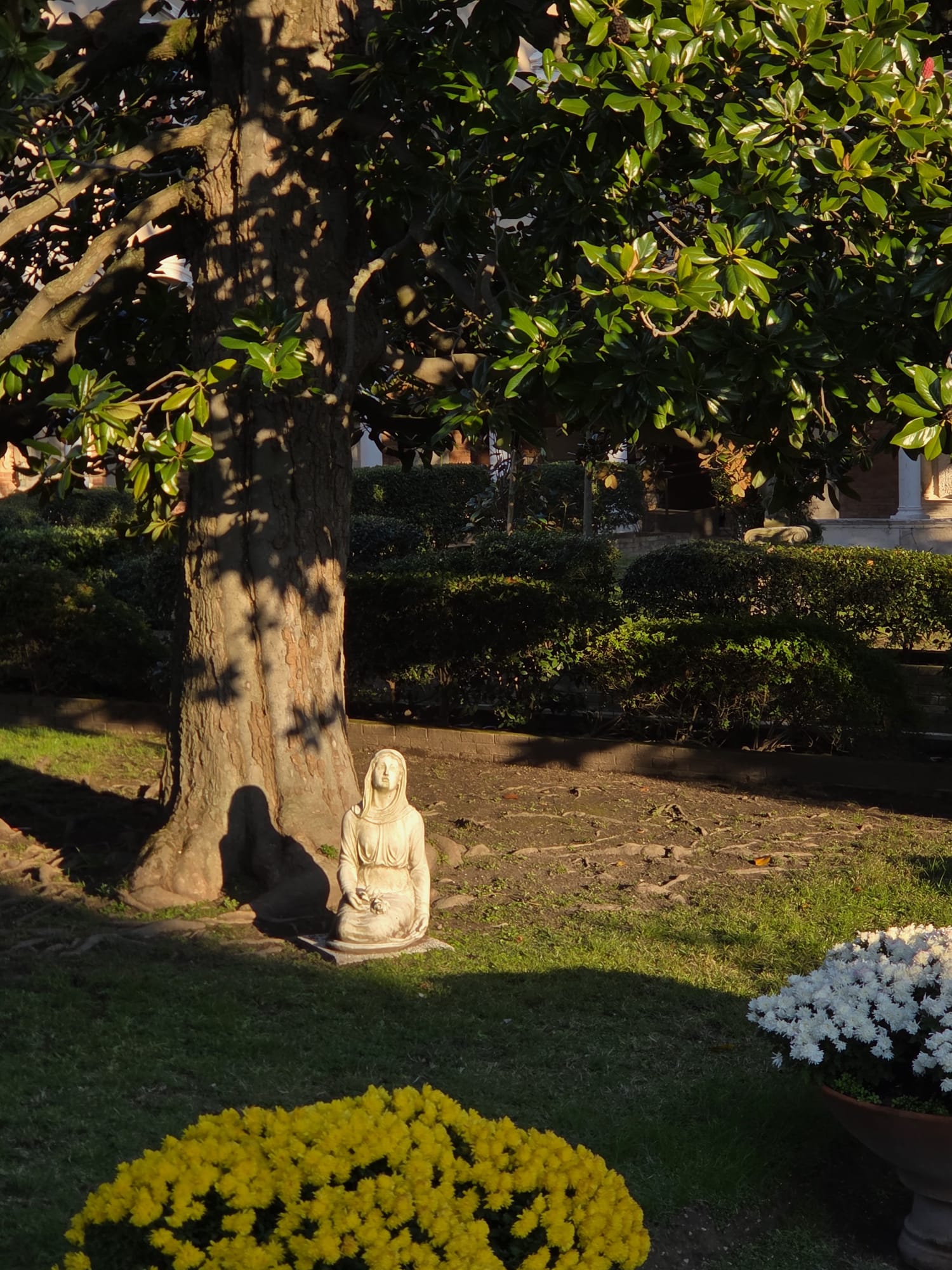
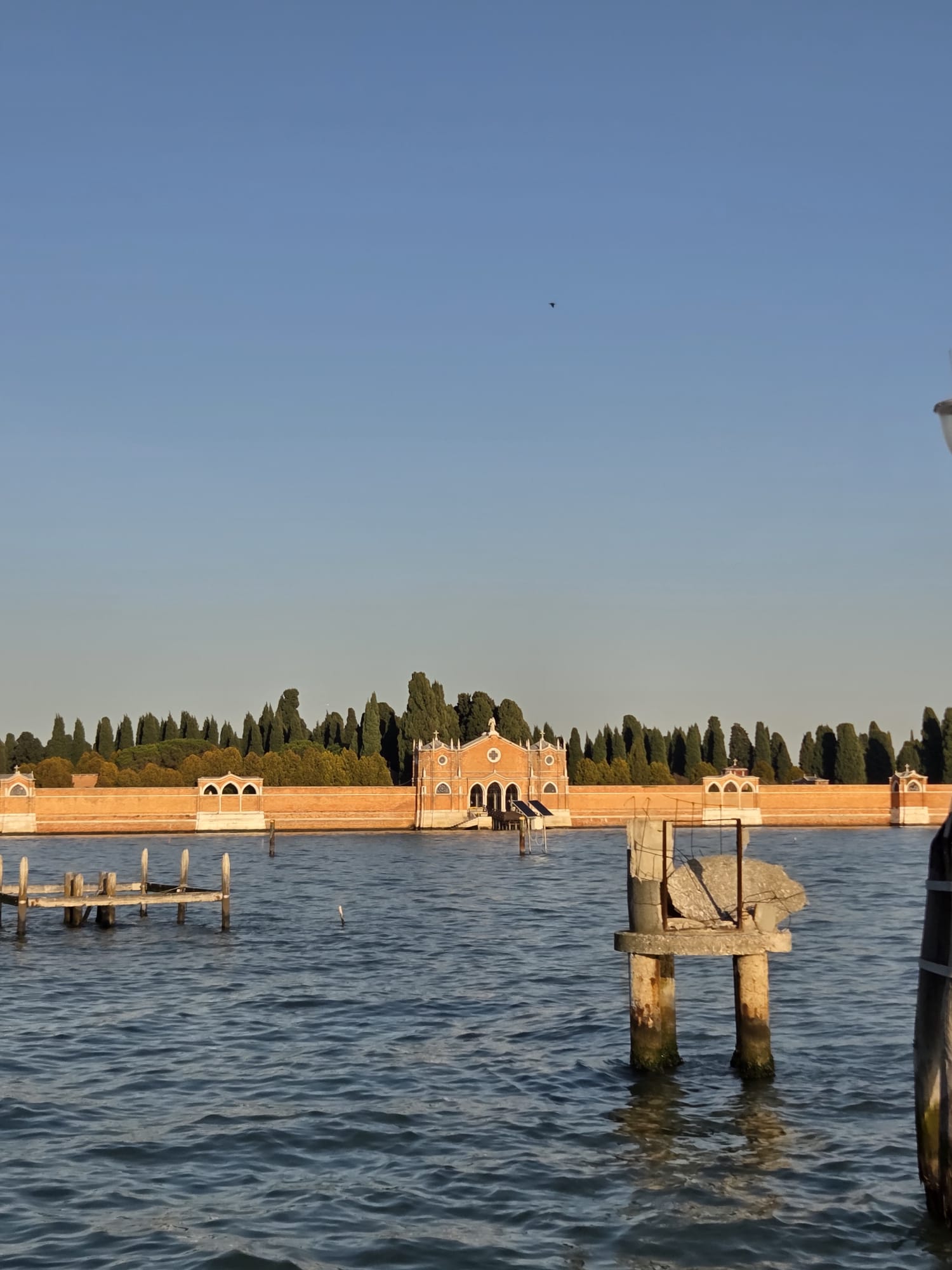
San Michele Cemetery, Venice
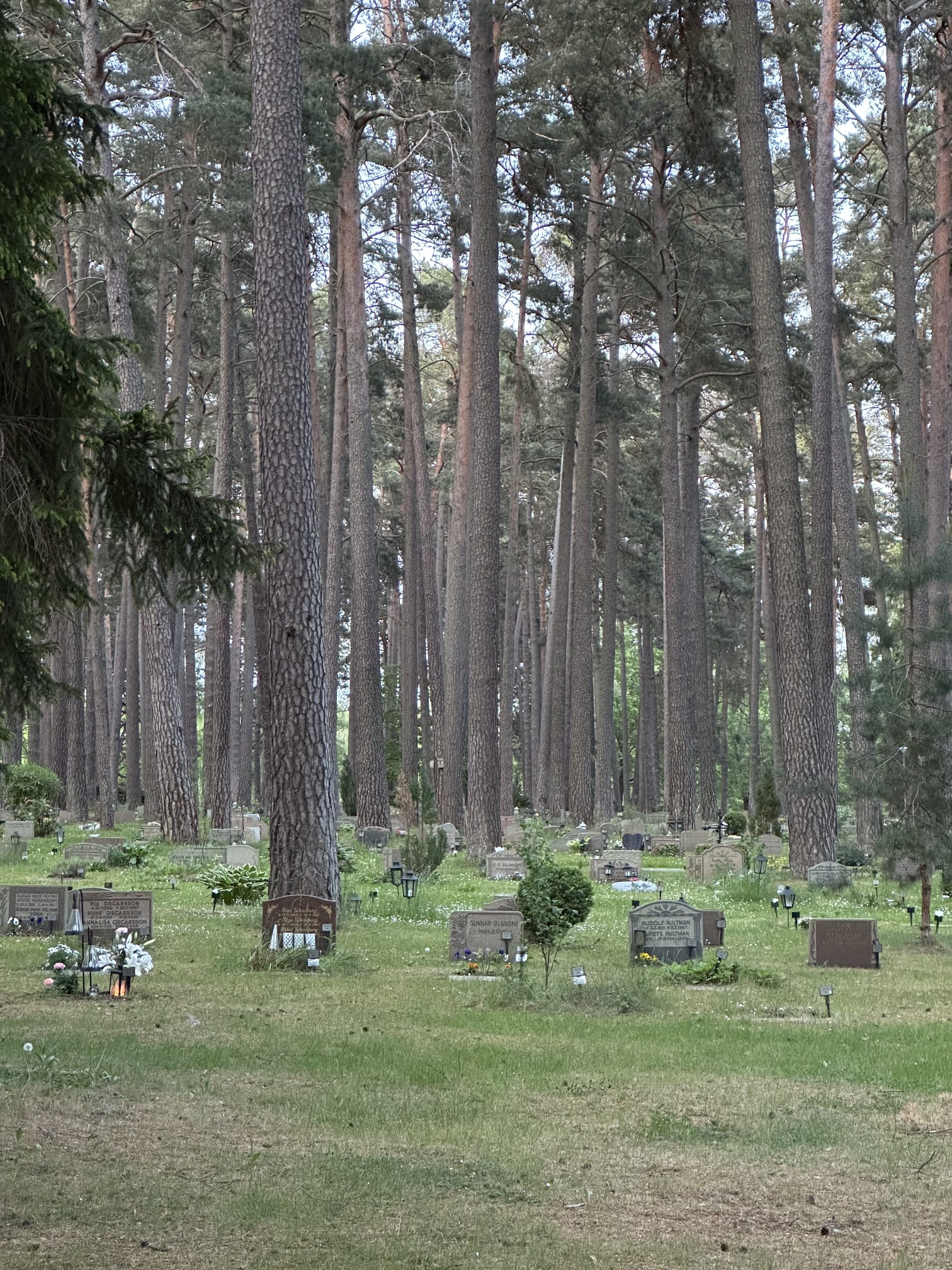
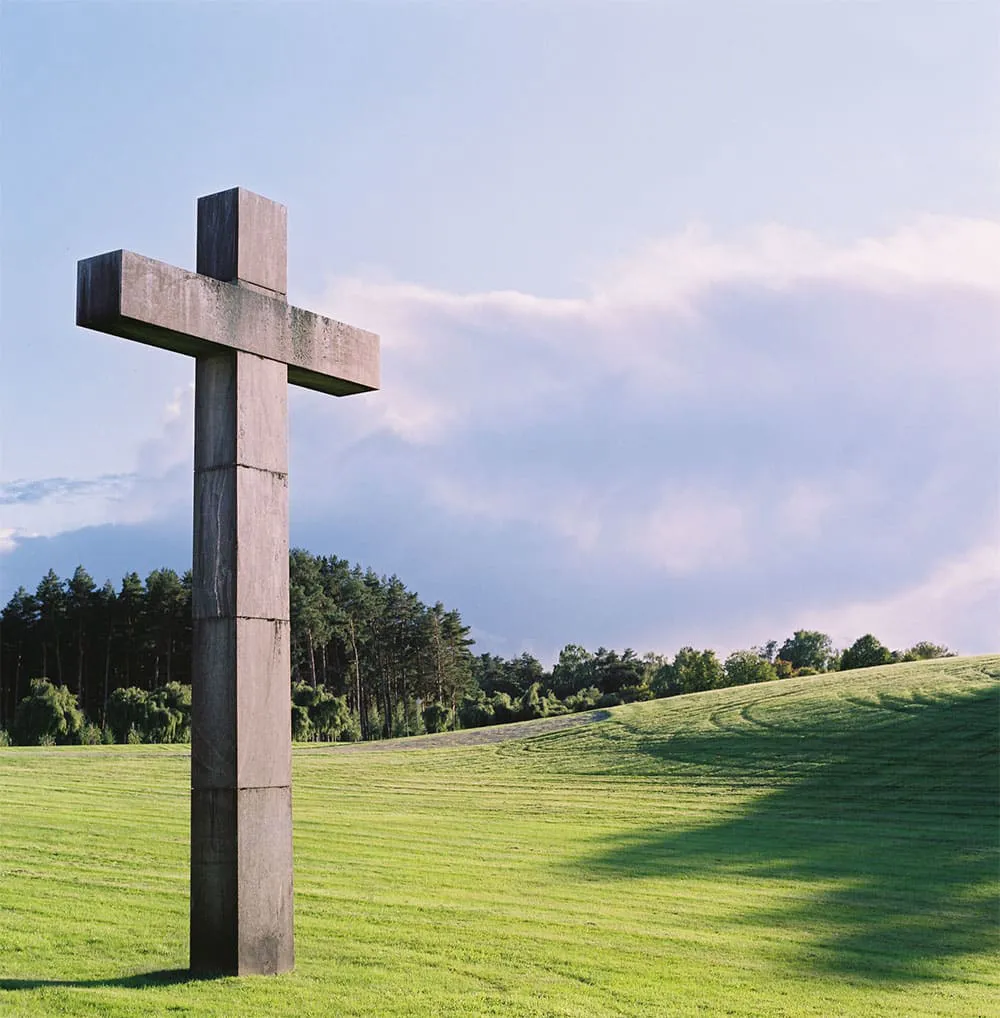
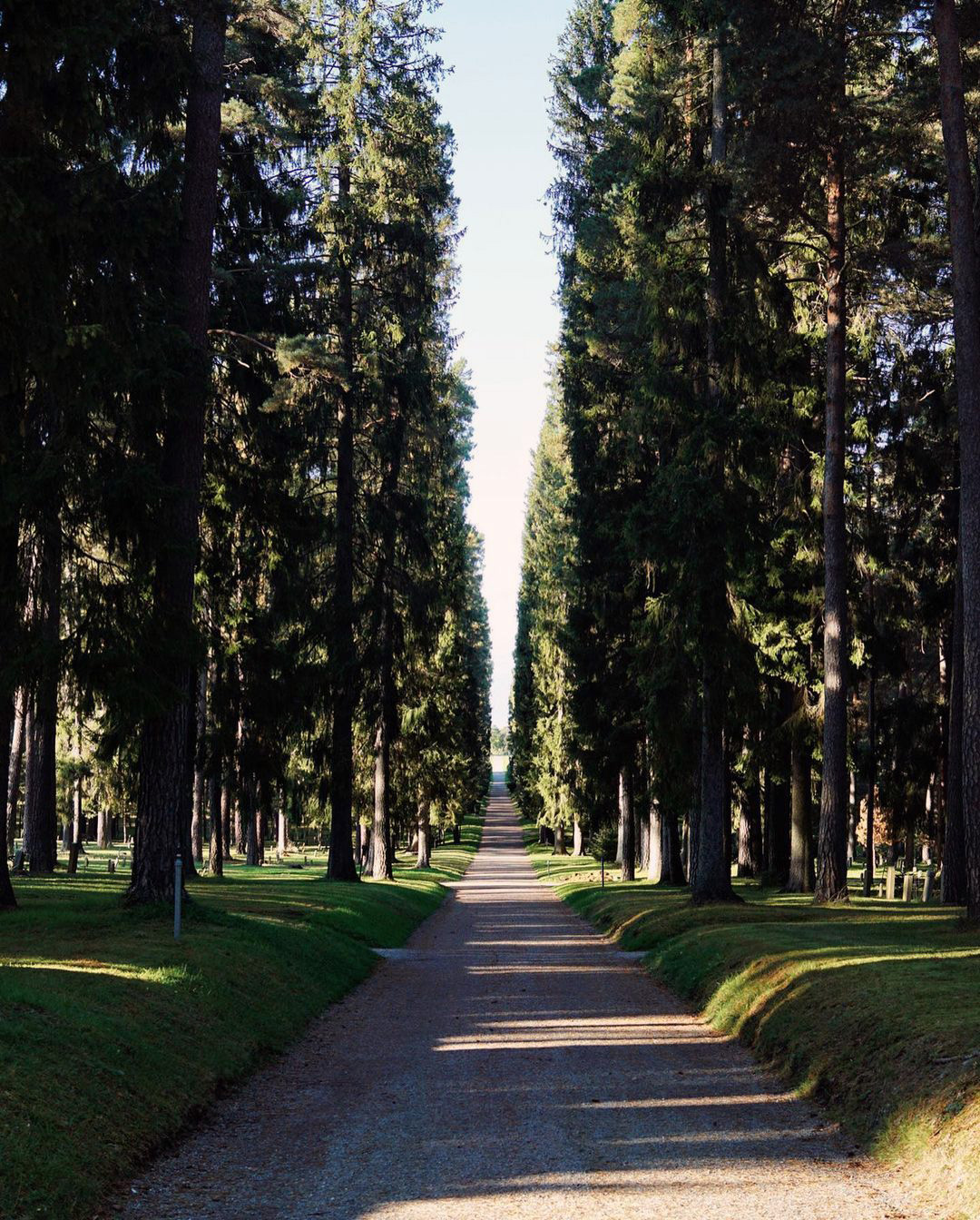
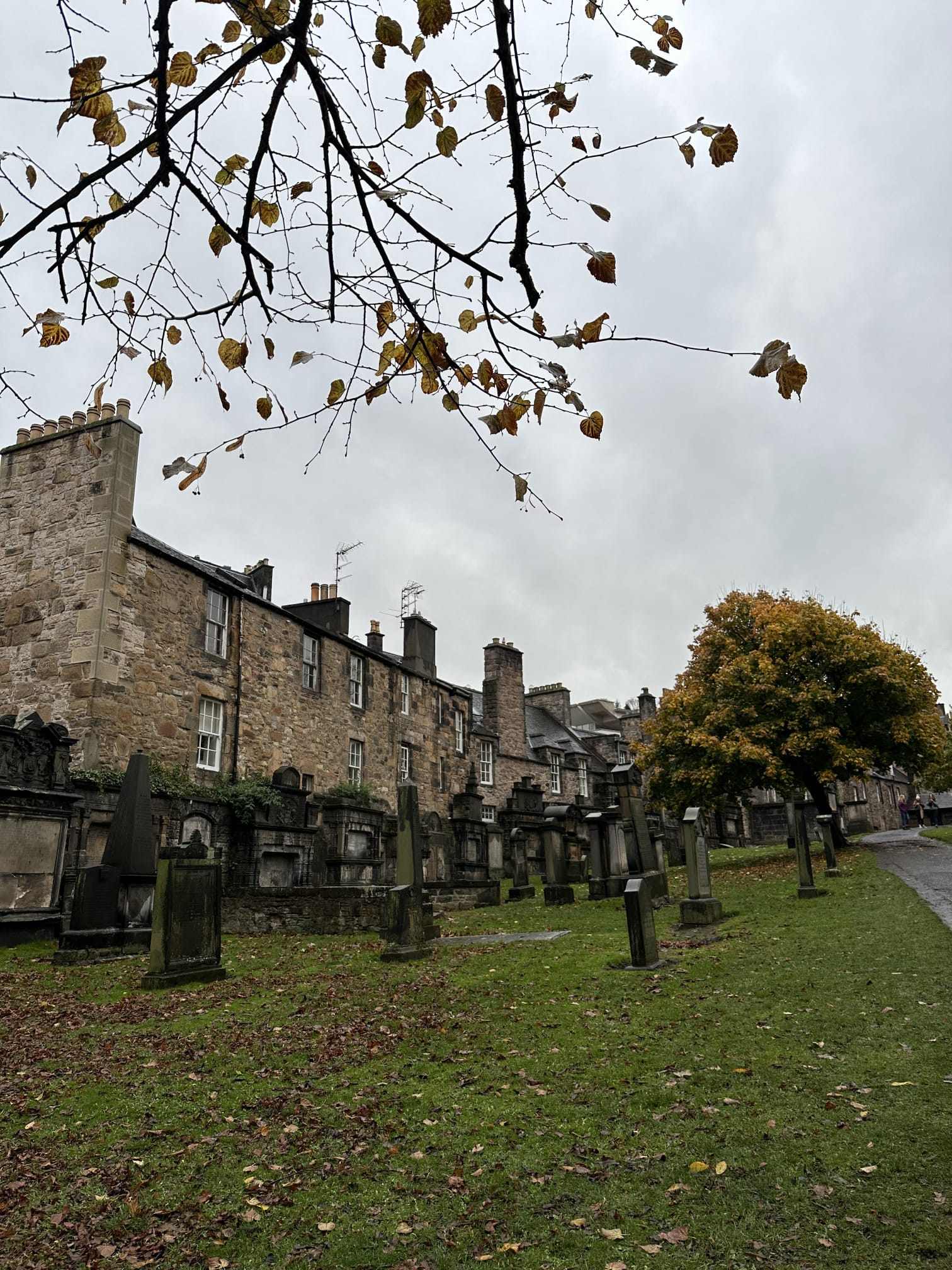
Skogskyrkogården, Stockholm & Edinburgh